

Can You Get Disability for COPD?
November is COPD awareness month, dedicated to expanding awareness of the disease and the risk factors involved.
“In 2021, COPD was the 4th leading cause of death globally and the 6th leading cause of death in the United States. Millions remain undiagnosed and unaware that they have the disease.”
–World Health Organization and Center for Disease Control (CDC)
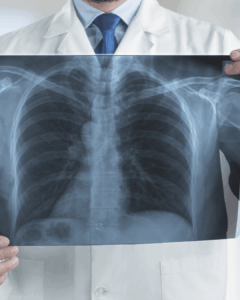 Chronic obstructive pulmonary disease (COPD) is a term used to describe a variety of lung conditions that cause difficulty breathing. If you are suffering from the disease, you may wonder if you can get disability for COPD.
Social Security Disability Insurance (SSDI) benefits, regulated by the Social Security Administration (SSA), provide benefits for people that are unable to work for at least 12 months because of a disability. In some cases, having COPD is a qualifying condition for SSDI benefits.
If an individual’s COPD is severe enough, it may either classify as a Listing or cause such limitations that you may meet SSA’s definition of disability. A Listing refers to a medical condition included in the SSA’s “Blue Book,” an online resource containing hundreds of medical conditions and criteria that strongly suggest a qualifying disability. This is used by SSA staff and other administrators to determine an individual’s eligibility. If your medical records consistently document a condition that closely matches or meets the same criteria as a listed disability, you may be found medically eligible for disability benefits.
Is COPD a Disability?
The Blue Book has 3.02 Chronic respiratory disorders as a listed disability, including COPD and other chronic respiratory conditions. However, just because it is listed doesn’t mean you are automatically eligible for benefits.
To receive SSDI benefits, you must also have enough work credits. Work credits are an income tax that both employees and employers pay through FICA taxes. They are earned every year through your income from a job; you can earn a maximum of four per year. Typically, you need to have at least 40 work credits to be eligible for SSDI benefits; 20 earned in the last 10 years leading up to your disability.
If you have limited income and assets, you may also qualify for Supplemental Security Income (SSI). Unlike SSDI, you do not need work credits to be eligible for SSI benefits. However, there are strict financial requirements—you must have very limited income and resources to qualify. SSI is designed to assist individuals with disabilities who have minimal financial means.
Even if you have COPD and enough work credits, you must provide medical evidence in your application to show that your condition is severe enough to prevent you from working at substantial gainful activity levels for at least 12 consecutive months.
Here are some examples of conditions that fall under COPD:
- Emphysema- Damage to the lung’s air sacs (alveoli) causes them to lose elasticity and collapse.
- Chronic bronchitis- Persistent cough and mucus production caused by inflammation.
- Asthma- A chronic condition that causes airways to be narrow, inflamed, and sensitive, making it difficult to breathe.
Medical Evidence
Proving your disability prevents you from working is the most critical part of applying for SSDI benefits. Your medical history, including medical records of treatments, tests, medications, and doctor’s appointments, plays an important role in proving you are disabled.
A COPD diagnosis alone may not be sufficient to qualify for SSDI benefits. In many COPD cases, medical records may include pulmonary function tests, documentation of regular oxygen use, and other common indicators of the condition.
For example, many people who suffer from COPD also report dizziness and fatigue from trouble breathing. It’s not enough just to tell the SSA you experience this; you must also regularly treat with your doctors so they record and properly document your symptoms. It is important to also detail how COPD affects your daily functioning. Doctor’s notes from appointments, records of any ER visits, and results from additional testing should all be included.
Why you need a lawyer for your SSDI claim
Navigating how to support yourself when you’re unable to work can be one of the most challenging experiences of your life. Unfortunately, the disability application process is often complicated and overwhelming. Fortunately, there are attorneys who specialize in disability law and can guide you every step of the way.
Filing a disability claim involves extensive paperwork, strict deadlines, and detailed legal requirements. Disability attorneys understand these rules and know how to build a strong case to give you the best chance of approval. If your claim is denied, your lawyer can manage the appeal process and represent you to ensure your rights are protected.
Fierce Advocacy
Living with a disability is challenging on its own, and managing your financial needs can feel like an uphill battle. At Nyman Turkish, we understand how stressful this time can be.
Our attorneys and staff are experts in the field, with years of experience handling SSDI claims and a strong record of favorable decisions. Our Firm’s approval rate is significantly higher than the national average. Beyond our success rate, we are committed to supporting every client with care and compassion.
We also offer a no-fee guarantee; we only get paid if we win your case. There are no up-front costs, and we will review your case for FREE. If you need help with your claim, visit our website or call (877) 529-4773 and one of our dedicated team members will assist you.
