

Breast Cancer Awareness Month 2026: Beyond Wearing Pink
For more than 40 years, October has been recognized as Breast Cancer Awareness Month (BCAM), a month-long observance dedicated to raising awareness about breast cancer, highlighting the importance of early detection, and supporting those affected by the disease.
It is a time to honor survivors, remember those who have lost their lives to breast cancer, recognize the strength and resilience of patients and their loved ones, and provide support to those currently facing a diagnosis. BCAM also helps increase education and understanding by sharing important information about breast cancer, including potential warning signs and the importance of early detection.

While wearing pink or a pink ribbon is a widely recognized symbol of breast cancer awareness, the month represents much more. In this article, we explore the meaning behind BCAM, options for those who have been diagnosed, and ways to support those whose lives have been affected by breast cancer.
Why Breast Cancer Awareness Month Matters
About Breast Cancer
Breast cancer develops when abnormal cells in the breast begin to grow out of control, sometimes forming a tumor. Although breast cancer most commonly affects women, men can develop it too. Without treatment, breast cancer can spread to nearby tissues and, in some cases, metastasize to other parts of the body.
According to the American Cancer Society (ACS):
- About 1 in 8 women will develop breast cancer during their lifetime.
- Breast cancer accounts for about 1 in 3 new cancer cases diagnosed in women in the U.S.
- Aside from skin cancers, breast cancer is the most commonly diagnosed cancer among women in the U.S.
- About 4 million women in the U.S. are living with breast cancer, including those currently undergoing treatment and survivors.
History of BCAM
The first BCAM took place in October 1985, when the ACS launched a week-long campaign focused on screening and routine mammograms. It has since grown into the month-long observance recognized today.
According to the ACS’s Breast Cancer Facts & Figures 2024-2025 report, the breast cancer death rate in the U.S. has dropped by 44% in the decades since BCAM began. This decline is largely due to earlier detection and advances in treatment.
Susan G. Komen, one of the most recognized breast cancer organizations today, has played a major role in funding research, raising awareness, and connecting patients and survivors with resources and support. The organization was founded in 1982 by Nancy Brinker, whose sister and namesake, Susan Goodman Komen, died from breast cancer in 1980 at age 36. Nancy believed Susan’s outcome might have been different had there been more awareness and understanding of the disease at the time.
In the decades since, Komen-funded research has contributed to the development of more than 30 FDA-approved drugs designed for breast cancer treatment, 19 between 2012 and 2023.
Early detection remains one of the most powerful tools against breast cancer. According to the ACS, the five-year relative survival rate for breast cancer caught at a localized stage is over 99%, compared to 87% once it has spread regionally, and 32% once it has spread to distant parts of the body. BCAM’s continued emphasis on regular screenings, self-exams, and understanding personal and family risk factors is still saving lives, four decades later.
Still, real disparities remain, and that is why Breast Cancer Awareness Month (BCAM) continues to matter. The ACS’s Breast Cancer Facts & Figures 2024-2025 report found that Black women in the U.S. are 38% more likely to die from breast cancer than white women, even though they are diagnosed at a slightly lower rate. This difference is linked to unequal access to screening, timely diagnosis, and quality treatment. Continued awareness, education, and research funding can help make sure every woman gets the care she deserves.
The Pink Ribbon
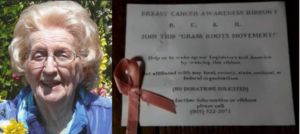 The pink ribbon also has an origin story. Charlotte Haley, a woman with several family members affected by breast cancer, began hand-making peach-colored ribbons in the early 1990s to draw attention to cancer-prevention funding. She distributed thousands of ribbons along with cards that said, “The National Cancer Institute annual budget is $1.8 billion, only 5 percent goes for cancer prevention. Help us wake up our legislators and America by wearing this ribbon.”
SELF magazine approached Haley about distributing her ribbon more widely, but Haley declined out of concern that the effort could become too commercialized. SELF and cosmetics company, Estée Lauder, instead created their own version in pink, distributing 1.5 million ribbons in October 1992. Pink soon became widely recognized as the color associated with breast cancer awareness.
Ways to Get Involved This Breast Cancer Awareness Month
There are many ways to advocate and get involved this October, whether you have an hour or an entire month to give:
- Get screened, and encourage the people in your life to do the same. Early detection starts with you.
- Volunteer with a local or national breast cancer organization.
- Fundraise or join a team for an awareness walk or run (see below).
- Share accurate, educational information on social media to help others recognize warning signs.
Visit the Susan G. Komen “Get Involved” page for more ways to participate.
Walk to Help End Breast Cancer
Susan G. Komen hosts several signature fundraising events throughout the year. This includes the Race for the Cure, the MORE THAN PINK Walk, and the Komen 3-Day. The American Cancer Society’s Making Strides Against Breast Cancer walks take place in cities nationwide.
Participants can register individually or form a team. The funds raised go directly toward research, patient-support programs, and community outreach.
Cancer and SSD Benefits
A cancer diagnosis brings enough uncertainty on its own, without adding financial stress to you and your loved ones. Depending on your prognosis, you may wonder how you’ll get by if you’re unable to work for 12 months or more.
Social Security Disability Insurance (SSDI) benefits may be an option for those unable to work and affected by breast cancer. The Social Security Administration (SSA) regulates and administers benefits and reviews applications.
If you have limited income and resources, you may also qualify for Supplemental Security Income (SSI). This separate SSA program provides benefits to people facing significant financial need who meet certain eligibility requirements. These include individuals who are disabled, blind, or age 65 and older. Countable resources generally cannot exceed $2,000 for an individual or $3,000 for a couple. Other strict asset limits also apply.
Applying for Benefits with Breast Cancer
You can submit an application for SSDI benefits online or by mail. The application asks for detailed information about your past work and your medical history, and it requires significant supporting documentation.
Thorough medical records are critical to a successful claim. This includes your diagnosis and pathology reports, doctors’ notes, records of appointments, surgeries, and hospital visits, and documentation of your medications and treatment plan.
Certain advanced breast cancer diagnoses may qualify for faster processing through the SSA’s Compassionate Allowances (CAL) program. CAL is designed to quickly identify claims that clearly meet SSA’s disability standards. Stage IV (metastatic) breast cancer and inflammatory breast cancer are both on the CAL list, which typically means the Social Security Administration (SSA) can issue a decision much faster.
The SSA also uses a separate screening tool called Quick Disability Determination (QDD). It uses predictive models to identify applications with medical evidence that strongly supports approval. This helps move qualifying claims through the system faster.
Other Resources
The community surrounding BCAM has grown significantly over the years, and today, there are many resources available to provide education, guidance, and support to patients, caregivers, and loved ones.
ACS
- The ACS offers educational resources and guides covering breast cancer, from diagnosis and treatment to life after treatment.
- The ACS CARES app also connects patients, caregivers, and loved ones with personalized information and support throughout their cancer journey.
Susan G. Komen
- Susan G. Komen Patient Care Center can help individuals find information about breast health, breast cancer, local and national resources, and clinical trials.
- Support is also available through its helpline at 1-877-465-6636 or by email at helpline@komen.org.
The National Breast Cancer Foundation
- The National Breast Cancer Foundation provides support and resources for patients and their loved ones, including educational materials, patient services, and a comprehensive breast cancer resource library.
Whether you are navigating a diagnosis yourself, caring for someone with breast cancer, or simply looking to become better informed, these organizations can provide valuable information and support.
Fierce Advocacy
A breast cancer diagnosis changes everything, and worrying about how to support yourself or your family financially shouldn’t be another burden you carry alone. If you or someone you love is living with breast cancer and unable to work, Nyman Turkish is here to help you pursue the benefits you deserve, so you can focus on what matters most: your health.
Filing an application for benefits requires extensive personal, medical, and work-related information, and it can be easy to overlook an important detail or requirement. That’s where Nyman Turkish can help. From the start, our team guides you through the application process and works with you to present your case clearly and completely to the SSA.
And we don’t wait for a denial to step in. We can assist from the initial application through administrative appeals and hearings, guiding you at every stage and making sure your case is presented clearly to the SSA.
For decades, Nyman Turkish has helped individuals navigate the Social Security Disability process. We approach every case with genuine care and attention, working to help our clients pursue all the benefits they may be entitled to at every stage of the process.
You don’t have to navigate this process alone. We’ll be by your side every step of the way.
Contact us today at 877-529-4773 or visit our website for a free case evaluation.
